
From Boardroom to Village Square: Partnership Takes Root
The memorandum was signed. The digital platforms were ready. But partnerships only change lives when they reach the people who need them most. That’s why our team took the ULS-Path for Health collaboration directly to the communities where GBV rates are highest but services are scarcest.
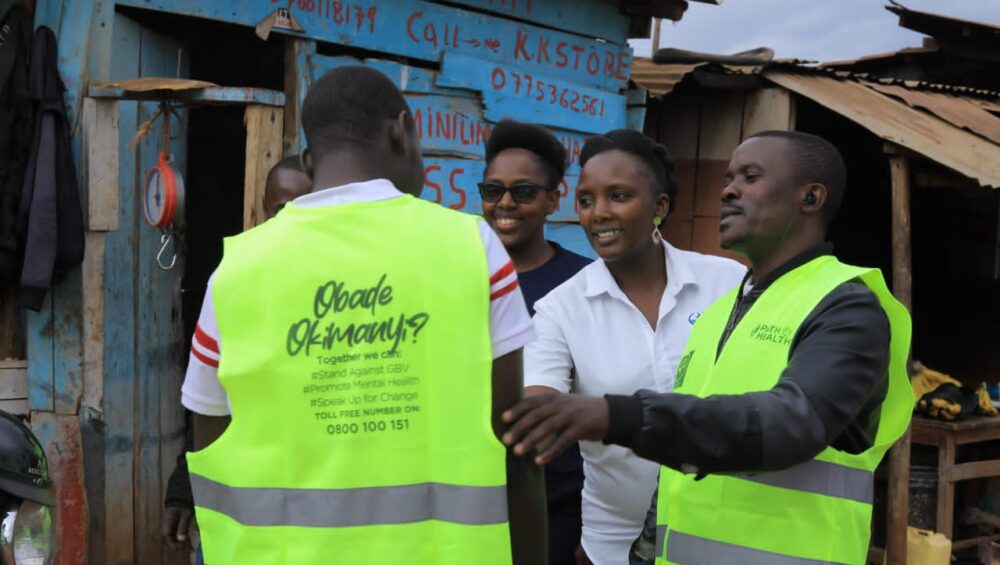
Welcome to Obade Okimanyi—”Did You Know?” in the local dialect. More than a program, it’s a community conversation that’s changing social norms.
The Launch: Not a Ceremony, but a Dialogue
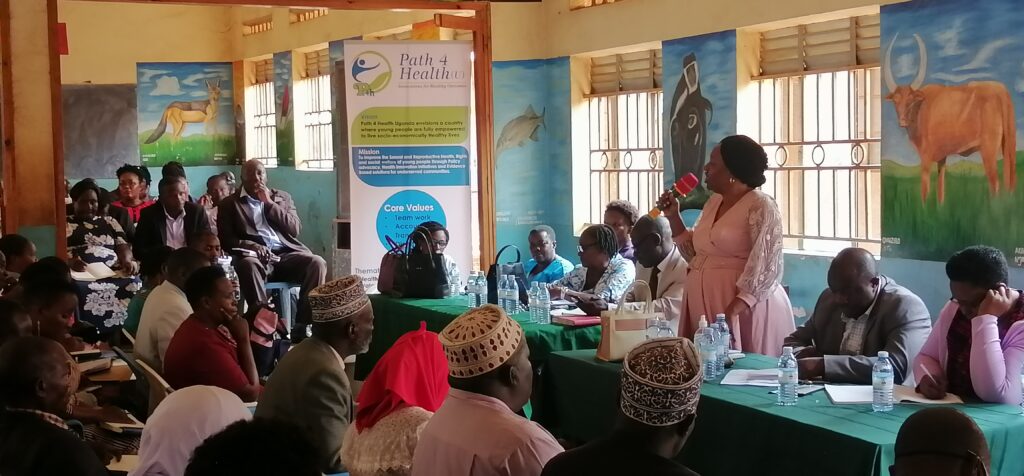
In the Northern and Eastern regions of Uganda—with some of Uganda’s highest rates of child pregnancy and domestic violence—we didn’t hold a typical launch. Instead, we facilitated what community elders called “the talk we’ve needed for generations.”
What Made This Different:
-
Led by Local Voices: Community health workers and respected elders co-facilitated
-
Inclusive Spaces: Separate sessions for men, women, and youth, then combined dialogue
-
Practical Demos: Live demonstrations of how to use the free USSD code *284*14#
-
Survivor Leadership: Women who had used our services shared their journeys (with consent)
The Power of “Did You Know?”
The program’s name became its methodology. Each session started with eye-opening questions:
“Obade Okimanyi that emotional abuse can be more damaging than physical wounds?”
“Obade Okimanyi that free legal aid exists for even the poorest among us?”
“Obade Okimanyi that trauma can heal with the right support?”
“These questions break something open in people,” observed a community leader. “First comes shock, then realization, then determination to change things.”
Technology Meets Tradition
A pivotal moment came when grandmothers—often the first confidants for abused women—learned to use the toll-free number.
“We showed them: ‘When your granddaughter confides in you, you don’t need money for transport to the city. Just dial 0800100151. Press 1 if she needs a lawyer, 2 if she needs someone to help her heart heal.'”
The Integration:
-
Local Council Leaders now display the helpline numbers in their offices
-
Churches and Mosques share the information during announcements
-
Market Women have become ambassadors, sharing the codes with customers
-
Boda Boda Drivers (motorcycle taxis), often first responders to incidents, carry referral cards.
At the launch, Ms. Christine Awori, Chief Executive of Uganda Law Society, made a powerful observation:
“For years, we’ve known that over 95% of GBV survivors in these communities never seek help. The barriers—stigma, cost, distance—seemed insurmountable. Today, I see those barriers crumbling. The community is embracing both the legal and healing pathways. But this is just one district among many that need this transformation.”
Her call to action was unequivocal:
“Development partners: We have the model. We have community buy-in. We have proven digital infrastructure. What we need now is investment to scale. Partner with us to bring Obade Okimanyi to every hotspot district. The return on investment? Lives saved. Families preserved. Justice realized.”
Community Response: “Now We Know”
Testimonial from a Community Elder:
“For years, we watched our daughters suffer twice—first from the violence, then from the silence. Obade Okimanyi has given us the words to name what’s wrong and the tools to make it right. Now when someone asks ‘Did you know?’ we say ‘Now we know. And now we act.'”
Interactive Element for Readers
For Community Leaders: Want to bring Obade Okimanyi to your community? Download our community mobilization toolkit
For Donors: See exactly how your investment would be used with our transparent scaling plan
Take Action Today: Share these free numbers with someone in Uganda: Legal Aid: *284*14# | Counseling: 0800100151
Join the Conversation: #ObadeOkimanyi #CommunityLedChange #BreakTheSilence